
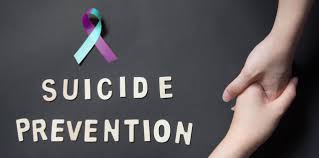

Teenage years are often described as the most exciting phase of life, but for many young people, they can also be filled with pressure, confusion, loneliness, and emotional pain. Across the world, the number of mental health struggles among teenagers is rising, making suicide prevention an urgent responsibility for families, schools, and society.
Suicide is not a sign of weakness or failure. It is often the result of overwhelming emotional distress combined with a lack of timely support. With awareness, early identification, and compassionate care, many lives can be saved.
Alarming Statistics
According to the World Health Organization (WHO):
- More than 720,000 people die by suicide every year worldwide.
- Suicide is the third leading cause of death among people aged 15–29 years globally.
- For every suicide death, there are many more attempts, showing how widespread emotional suffering can be.
- WHO also reports that 1 in 7 adolescents aged 10–19 years experiences a mental disorder, such as anxiety or depression, which can increase vulnerability if support is absent.
- These numbers remind us that teenage mental health is not a small issue—it is a major public health concern.
Why Are Teenagers Vulnerable?
Teenagers are in a period of rapid emotional, physical, and social change.
- Common stress factors include:
- Academic pressure and fear of failure
- Family conflicts or separation
- Bullying or cyberbullying
- Relationship problems or rejection
- Social isolation and loneliness
- Low self-esteem and body image concerns
- Trauma, abuse, or neglect
- Anxiety, depression, or substance misuse
- Constant comparison through social media
- When these struggles build up without support, a teenager may begin to feel hopeless.
Warning Signs and Symptoms
Many teenagers do not openly ask for help, but their behaviour may show signs of distress:
Emotional Signs
- Persistent sadness or irritability
- Feeling hopeless or worthless
- Sudden mood swings
- Loss of interest in favourite activities
Behavioural Signs
- Withdrawing from friends and family
- Declining school performance
- Changes in sleep or appetite
- Risk-taking behaviour
- Giving away possessions
- Talking as if they are a burden or that life has no meaning
Social Signs
- Isolation from classmates
- Avoiding conversations
- Increased conflict with others
How to Prevent Suicide Among Teenagers
1. Encourage Open Communication
Teenagers need safe spaces where they can speak without fear of judgement. Listening calmly can make a huge difference.
2. Take Feelings Seriously
Never dismiss statements like “I can’t handle this” or “No one cares.” Emotional pain should always be treated with care.
3. Strengthen Family Support
Spending time together, showing affection, and maintaining trust can protect mental health.
4. Promote Healthy Habits
Regular sleep, exercise, balanced nutrition, and reduced screen overload can improve emotional wellbeing.
5. Address Bullying Early
Schools and parents should act quickly against bullying, both offline and online.
6. Seek Professional Help
Counsellors, psychologists, psychiatrists, and trained mental health professionals can provide effective support.
7. Build Life Skills
Teach coping skills, problem-solving, emotional regulation, and resilience.
Role of Schools and Colleges
- Educational institutions must become centres of emotional safety by:
- Conducting mental health awareness programs
- Training teachers to identify warning signs
- Providing counselling services
- Reducing stigma around asking for help
- Creating peer support groups
Conclusion
Behind every statistic is a young life full of dreams, talents, and possibilities. Suicide among teenagers can be prevented when adults listen, friends care, and communities respond early. Sometimes a simple conversation, a caring question, or timely support can save a life.
“Let us not wait for silent cries to become tragedies. Let us notice, listen, and help.”

Prof. SUBRAHMANYA NAYAK
Principal
Department of Mental Health Nursing
New Mangala College of Nursing.







1 comment
The article silent cries: Understanding and preventing suicides among teenagers is really insightful and highly appreciated. The topic has been presented in a meaningful and sensitive manner, creating awareness about the importance of mental health, emotional support, and early intervention in adolescents. Such informative articles are very valuable for parents, teachers, healthcare professionals, and society to recognize warning signs and support teenagers effectively. Congratulations to the author Mr.Subrahmanyam Nayak sir for bringing attention to such an important social and public health issue and really thankful for his insight in this area.