
Introduction
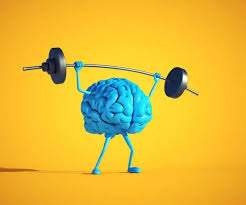
While people often focus on physical fitness, mental fitness is equally important for living a healthy, productive, and fulfilling life. Mental fitness refers to the ability to think clearly, manage emotions effectively, cope with stress, maintain positive relationships, and adapt to life’s challenges. It is not simply the absence of mental illness but a state of overall psychological well-being.
In today’s fast-paced and technology-driven world, maintaining mental fitness has become essential for people of all ages. Like physical fitness, mental fitness can be developed through regular practice and healthy lifestyle habits.
Understanding Mental Fitness
Mental fitness is the capacity of the mind and brain to function effectively in daily life. It includes emotional stability, resilience, concentration, memory, decision-making, and problem-solving abilities.
A mentally fit person can:
– Manage stress effectively
– Maintain healthy relationships
– Adapt to change
– Stay focused and productive
– Regulate emotions appropriately
– Recover from setbacks
Mental fitness is not a fixed trait; it can be strengthened through conscious effort and healthy behaviors.
Why Mental Fitness Matters
- Enhances Emotional Well-being: Mental fitness helps individuals understand and manage their emotions, reducing anxiety, anger, and emotional distress.
- Improves Performance : Good mental fitness enhances concentration, memory, creativity, and decision-making, leading to better performance at school, work, and in daily life.
- Strengthens Relationships: Mentally fit individuals communicate effectively, show empathy, and handle conflicts constructively, resulting in healthier relationships.
- Promotes Physical Health: Mental and physical health are closely connected. Chronic stress can contribute to conditions such as hypertension, heart disease, sleep disorders, and weakened immunity.
- Builds Resilience: Mental fitness helps people cope with challenges, setbacks, and unexpected life events with greater confidence and adaptability.
Components of Mental Fitness
Self-Awareness: Understanding one’s thoughts, feelings, strengths, and weaknesses is the foundation of personal growth and emotional well-being.
Emotional Regulation: The ability to manage emotions appropriately helps individuals remain calm and make better decisions during stressful situations.
Cognitive Fitness: This includes memory, attention, learning ability, and problem-solving skills that support effective daily functioning.
Resilience: Resilience enables individuals to recover from difficulties and continue moving forward despite challenges.
Social Connectedness: Strong social relationships provide emotional support and contribute significantly to mental well-being.
Positive Mindset: A positive outlook encourages optimism, motivation, and the ability to focus on opportunities rather than obstacles.
Factors Affecting Mental Fitness
Several factors influence mental fitness:
– Healthy or unhealthy lifestyle habits
– Stress levels
– Family and social support
– Physical health conditions
– Work and academic pressures
– Excessive use of technology and social media
Recognizing these influences can help individuals take steps to protect and improve their mental well-being.
How to Train the Brain for Better Mental Fitness
Exercise Regularly: Physical activity improves blood circulation to the brain and releases chemicals that enhance mood and reduce stress. Activities such as walking, cycling, yoga, and swimming support both mental and physical health.
Prioritize Quality Sleep: Adequate sleep is essential for memory, learning, concentration, and emotional regulation. Most adults require 7–9 hours of quality sleep each night.
Practice Mindfulness: Mindfulness involves paying attention to the present moment without judgment. Practices such as meditation, deep breathing, and mindful walking can reduce stress and improve focus.
Challenge Your Brain: Mental stimulation keeps the brain active and healthy. Reading, solving puzzles, learning new skills, playing musical instruments, and acquiring new knowledge can strengthen cognitive abilities.
Maintain Healthy Nutrition: A balanced diet supports optimal brain function. Fruits, vegetables, whole grains, nuts, seeds, and omega-3-rich foods contribute to better mental performance and emotional health.
Develop Emotional Intelligence: Emotional intelligence helps individuals recognize and manage their own emotions while understanding the emotions of others. Active listening, empathy, and effective communication can strengthen emotional intelligence.
Build Strong Social Connections: Spending time with family, friends, and community members reduces loneliness and provides emotional support during difficult times.
Manage Stress Effectively: Stress is a part of life, but it should be managed in healthy ways. Techniques such as relaxation exercises, physical activity, time management, and seeking support can help reduce stress levels.
Warning Signs of Poor Mental Fitness
Poor mental fitness may present through:
– Persistent sadness or irritability
– Difficulty concentrating
– Sleep disturbances
– Frequent forgetfulness
– Lack of motivation
– Excessive worry or stress
– Social withdrawal
– Emotional outbursts
– Chronic fatigue
Recognizing these signs early allows individuals to seek appropriate support and intervention.
Mental Fitness Across the Lifespan
Children and Adolescents: Mental fitness promotes healthy emotional development, learning, confidence, and social skills during the formative years.
Adults: For adults, mental fitness supports work performance, family responsibilities, stress management, and overall life satisfaction.
Older Adults: Maintaining mental fitness helps preserve memory, cognitive functioning, independence, and quality of life in later years.
Role of Families and Communities
Mental fitness is not solely an individual responsibility. Families, schools, workplaces, and communities all play important roles by:
– Encouraging open communication
– Providing emotional support
– Reducing stigma surrounding mental health
– Promoting healthy lifestyles
– Creating supportive environments
– Facilitating access to mental health resources
Collective efforts can help build mentally healthier communities.
Conclusion
Mental fitness is a vital component of overall health and well-being. It enables individuals to think clearly, manage emotions, cope with stress, maintain healthy relationships, and achieve personal goals. Just as physical fitness requires regular exercise, mental fitness requires consistent attention through healthy habits, emotional self-care, lifelong learning, and positive social connections.
Investing in mental fitness benefits not only individuals but also families, workplaces, and society as a whole. By training the brain and nurturing emotional well-being, people can lead healthier, happier, and more successful lives.

Prof. SUBRAHMANYA NAYAK
Principal,
Department of Mental Health Nursing,
New Mangala College of Nursing,
Vidyanagar, Pedamale Post,
Neermarga, Mangaluru – 575029
Ph: 9964677188
Visit Us: https://mangalacollege.org/